
AP Computer Science Principles Exam Prep
2026 Spring
AP Computer Science Principles Exam Prep
Class Description
AP Computer Science Principles is an introductory college-level computing course that introduces students to the breadth of the field of computer science. Students learn to design and evaluate solutions and to apply computer science to solve problems through the development of algorithms and programs. They incorporate abstraction into programs and use data to discover new knowledge.
Join our AP Computer Science Principles Exam Prep Class, designed to empower students with the knowledge and skills needed to excel in the upcoming AP exam. This comprehensive course provides a focused and thorough review of key concepts, programming languages, and problem-solving techniques essential for success.
Exam Date: Thursday, May 15, 2025 @12 PM Local
Prerequisite: Since this is a review class to prepare students for the upcoming AP exam in May, students should be currently taking AP Computer Science Principles in school
Homework: Weekly homework and 2 mock tests will be assigned. 1-2 hours per week
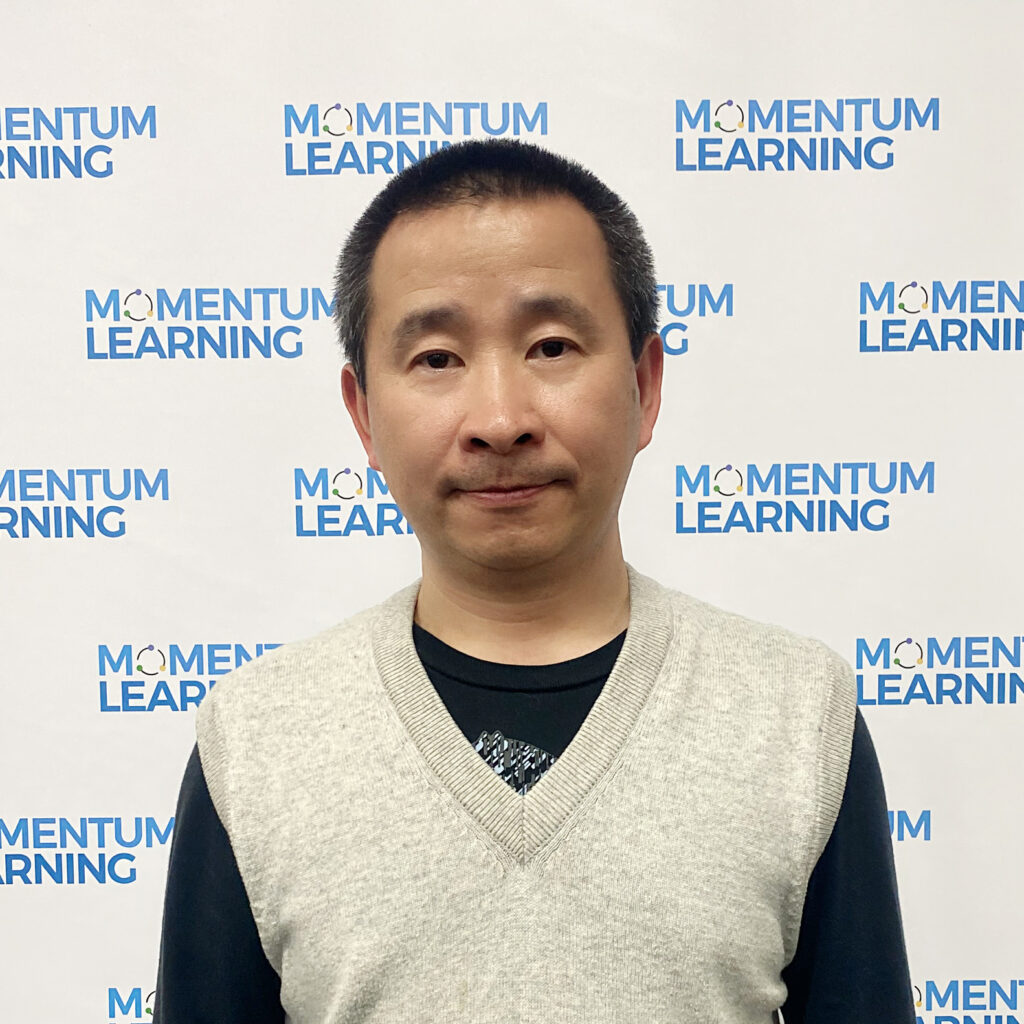 Ming Zhang, Ph.D.
Dr. Ming Zhang received an undergraduate degree in math from University of Science and Technology of China and obtained his Ph.D. from Rice University in Computer Science.
He has worked as an assistant professor at M.D. Anderson Cancer Center and a financial advisor at Morgan Stanley. With over 25 years of algorithm development and investment experience, Dr. Zhang now enjoys teaching students in mathematics and computer science.
In last 3 years, more than 50 of his students have been promoted to USACO Gold and Platinum (including the USACO Training Camp). Many of them are currently attending colleges such as Caltech, MIT, Harvard, Stanford, and Princeton. Congratulations to these amazing accomplishments.
| Big Idea | Exam Weighting (Multiple-Choice Section) |
|---|---|
| Big Idea 1: Creative Development | 10%–13% |
| Big Idea 2: Data | 17%–22% |
| Big Idea 3: Algorithms and Programming | 30%–35% |
| Big Idea 4: Computer Systems and Networks | 11%–15% |
| Big Idea 5: Impact of Computing | 21%–26% |
Computational Thinking Practices
The AP Computer Science Principles course framework included in the course and exam description outlines distinct skills from computational thinking practices that students should practice and develop throughout the year—skills that will help them learn to think and act like computer scientists. Emphasis is placed on creativity and collaboration as pedagogical strategies to be used to develop a diverse, appealing, and inclusive classroom environment.
| Computational Thinking Practice | Description | Exam Weighting (Multiple-Choice Section) |
|---|---|---|
| 1. Computational Solution Design | Design and evaluate computational solutions for a purpose. | 18%–25% |
| 2. Algorithms and Program Development | Develop and implement algorithms. | 20%–28% |
| 3. Abstraction in Program Development | Develop programs that incorporate abstractions. | 7%–12% |
| 4. Code Analysis | Evaluate and test algorithms and programs. | 12%–19% |
| 5. Computing Innovations | Investigate computing innovations. | 28%–33% |
| 6. Responsible Computing | Contribute to an inclusive, safe, collaborative, and ethical computing culture. | Not assessed |
Topics
Week 1: Data compression and information extraction
Week 2: Developing algorithms
Week 3: Algorithm efficiency
Week 4: Impact of computing
Week 5: Computer systems and networks
Week 6: Mock Test